As cryptocurrency continues to evolve, so does the way we mine digital assets. mobile mining is an emerging trend that allows individuals to mine cryptocurrencies directly from their smartphones. This innovative approach to mining offers a more accessible entry point for those who may not have the resources to invest in traditional mining rigs. However, it also comes with its own set of challenges and limitations.
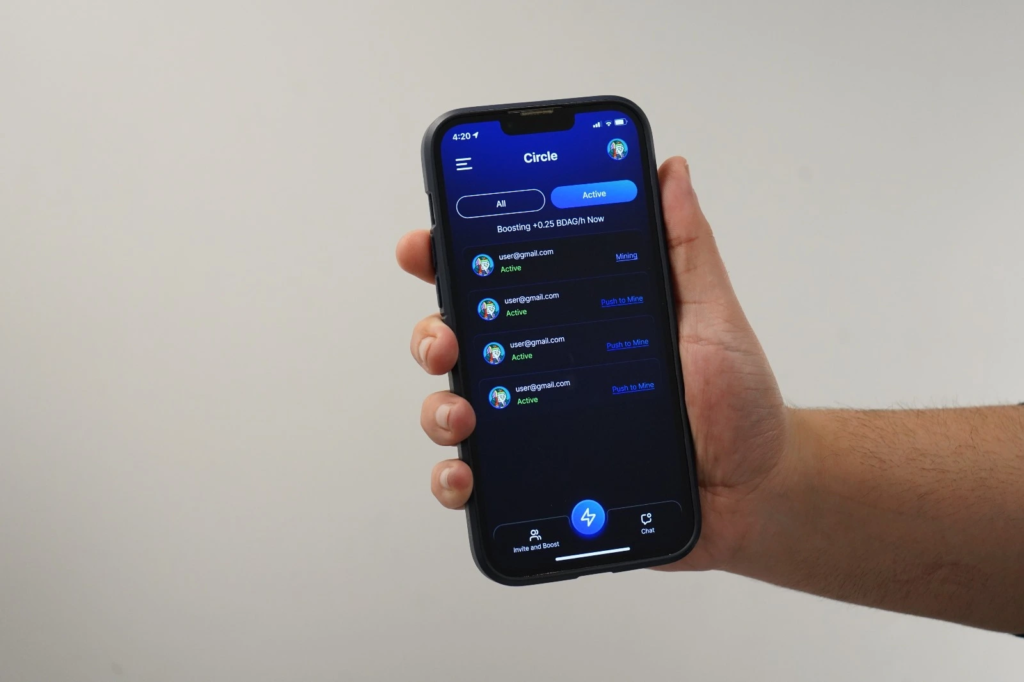
Understanding Mobile Mining
Mobile mining involves using a smartphone’s processing power to mine cryptocurrencies. Typically, this is done through specialized apps that run in the background, solving complex mathematical problems to validate transactions on a blockchain network. In return for this computational work, miners are rewarded with small amounts of cryptocurrency.
Advantages of Mobile Mining
One of the primary advantages of mobile mining is accessibility. Unlike traditional mining, which requires significant investment in hardware and electricity, mobile mining can be done with just a smartphone. This makes it an attractive option for people who are new to cryptocurrency and want to experiment without a large upfront cost.
Another advantage is the potential for passive income. With mobile mining apps, users can earn cryptocurrency while their phone is idle, such as when it’s charging overnight. Although the rewards are typically small, they can accumulate over time.
Challenges and Limitations
Despite its appeal, mobile mining has several limitations. The most significant is the lower processing power of smartphones compared to dedicated mining rigs. This means that mobile miners earn far less cryptocurrency than those using more powerful hardware.
Additionally, mobile mining can be taxing on a smartphone’s battery and hardware, potentially leading to overheating and reduced lifespan. Some mobile mining apps may also be unreliable or even fraudulent, putting users at risk of losing their earnings or exposing their devices to malware.
The Future of Mobile Mining
As technology advances, the efficiency of mobile mining could improve, making it a more viable option for everyday users. Developers are continually working on optimizing mining algorithms to better suit mobile devices, which could lead to higher rewards and lower energy consumption.
Moreover, as cryptocurrencies become more integrated into daily life, mobile mining could play a role in broader adoption by allowing more people to participate in the mining process, even on a small scale.
Conclusion
Mobile mining represents an exciting frontier in the world of cryptocurrency. While it may not replace traditional mining methods, it offers a more accessible way for individuals to get involved in the crypto ecosystem. As the technology matures, it has the potential to become a popular method for earning cryptocurrency, especially for those looking to dip their toes into the world of digital assets without significant investment.