Begin with an engaging introduction that briefly describes macaws as one of the most vibrant and intelligent parrot species. Highlight their popularity among bird enthusiasts due to their striking colors, playful personalities, and ability to mimic human speech.
1. Understanding Macaws
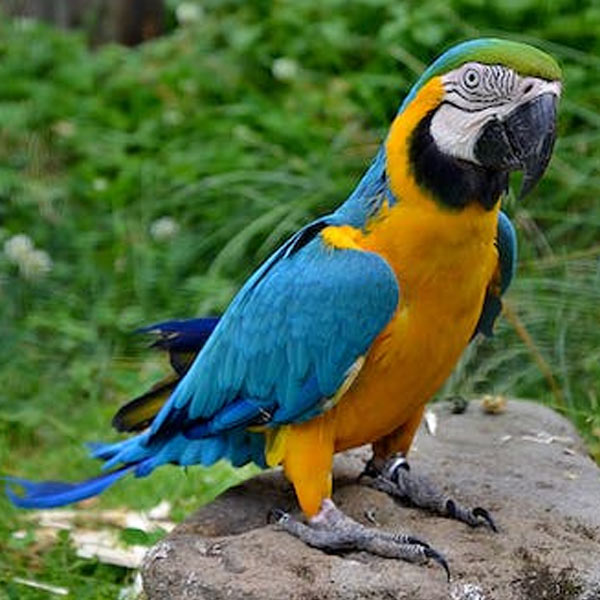
Species Overview: Provide an overview of the different species of macaws, such as the Blue and Gold Macaw, Scarlet Macaw, Green-Winged Macaw, and Hyacinth Macaw. Mention their size, lifespan, and distinctive features.
Temperament: Discuss the typical behavior and temperament of Macaw for sale, emphasizing their social nature, intelligence, and need for mental stimulation.
- Care Requirements: Outline the basic care needs of macaws, including diet, cage size, and daily interaction. Mention the importance of regular veterinary check-ups.
2. Where to Buy a Macaw
Reputable Breeders: Explain the importance of purchasing macaws from reputable breeders who provide proper care, socialization, and health guarantees. Offer tips on how to identify a trustworthy breeder.
Adoption Options: Encourage readers to consider adopting a macaw from a rescue organization or shelter, where they can find birds in need of a loving home.
- Online Marketplaces: Caution against buying macaws from unverified online sellers and highlight the risks associated with such purchases, including potential scams and unethical breeding practices.
3. What to Look for When Buying a Macaw
Health Indicators: Describe the signs of a healthy macaw, such as bright eyes, clean feathers, and an active demeanor. Explain how to spot potential health issues, like respiratory problems or feather plucking.
Personality Match: Stress the importance of choosing a macaw that matches the buyer’s lifestyle and personality. Discuss how some macaws are more suited to experienced bird owners, while others may be better for beginners.
Lifespan Commitment: Remind potential buyers that macaws can live for several decades, making them a long-term commitment that requires careful consideration.
4. Legal and Ethical Considerations
CITES Regulations: Briefly explain the Convention on International Trade in Endangered Species (CITES) and how it affects the sale and ownership of certain macaw species.
Ethical Breeding Practices: Highlight the importance of supporting ethical breeders who prioritize the well-being of their birds, and discuss the consequences of illegal wildlife trade.
5. Preparing for Your New Macaw
Setting Up the Habitat: Provide tips on preparing the perfect environment for a macaw, including the right cage, toys, and perches to keep them happy and healthy.
Transitioning Home: Offer advice on how to help a macaw adjust to its new home, including creating a safe space, establishing a routine, and gradually building trust.
Training and Socialization: Suggest basic training techniques to encourage good behavior and strengthen the bond between the macaw and its new owner.
Conclusion
Conclude the article by reiterating the joys and responsibilities of owning a macaw. Encourage readers to do thorough research and make informed decisions when purchasing or adopting a macaw, ensuring they are ready for the commitment and capable of providing a loving, enriching environment for their new feathered friend.
Final Thoughts
This comprehensive approach will help potential macaw buyers understand what to expect and how to responsibly bring one of these magnificent birds into their lives.